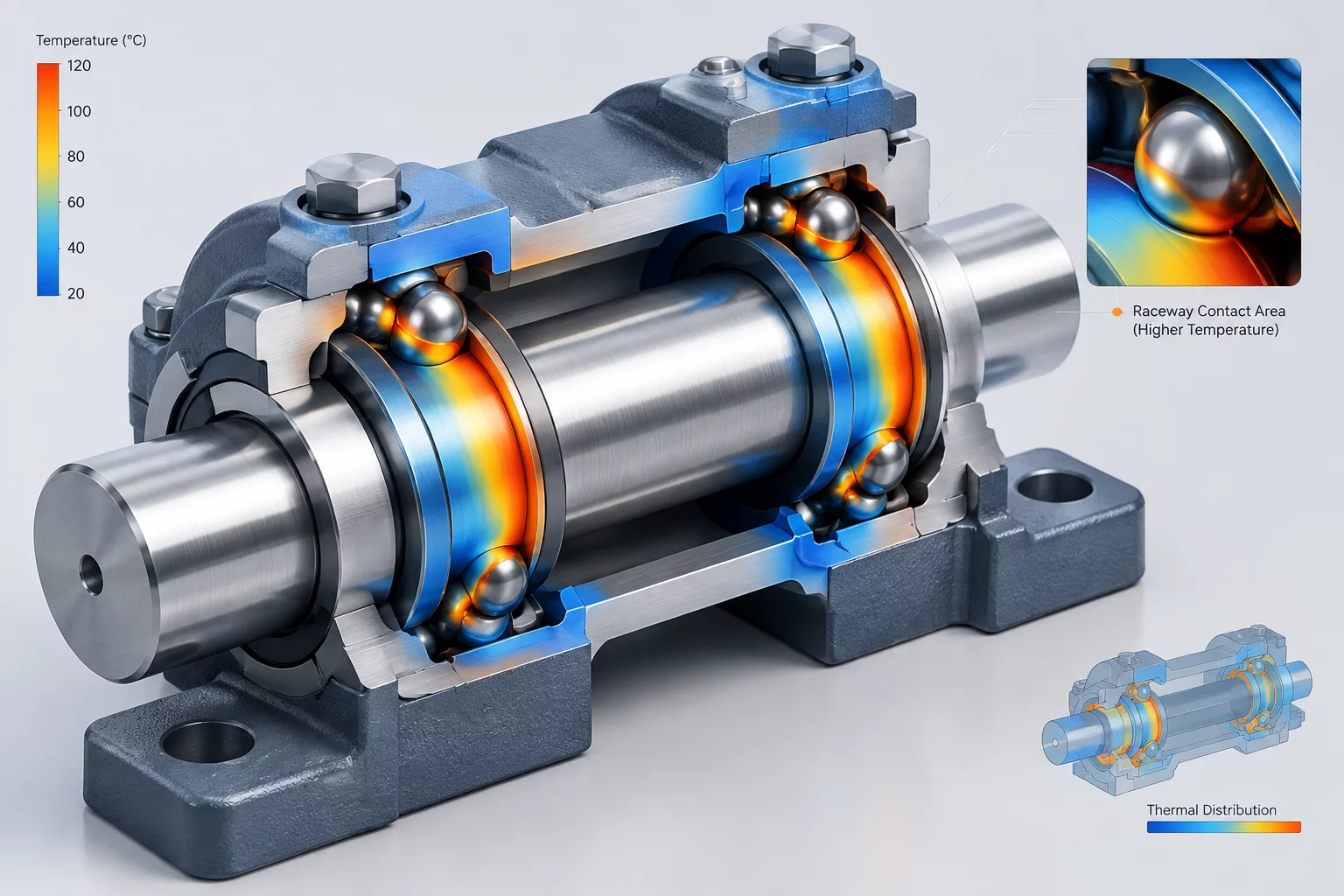
Illustrated educational examples of mechanical assemblies: how components interact, where schemes change, and what each case teaches.
When Two Components Need the Same Space
An educational case examining how neighboring parts compete for shared volume inside a compact assembly scheme.
01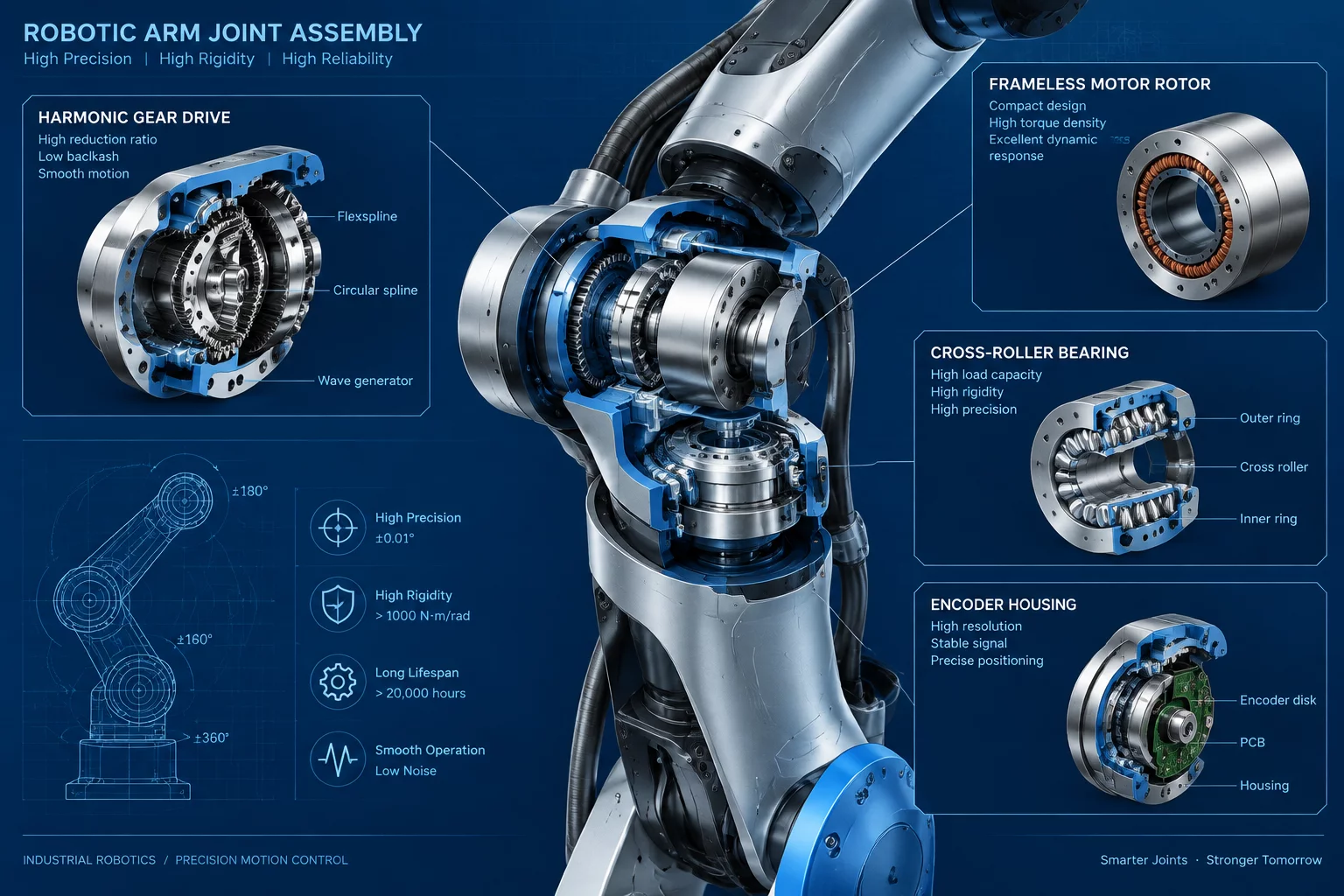
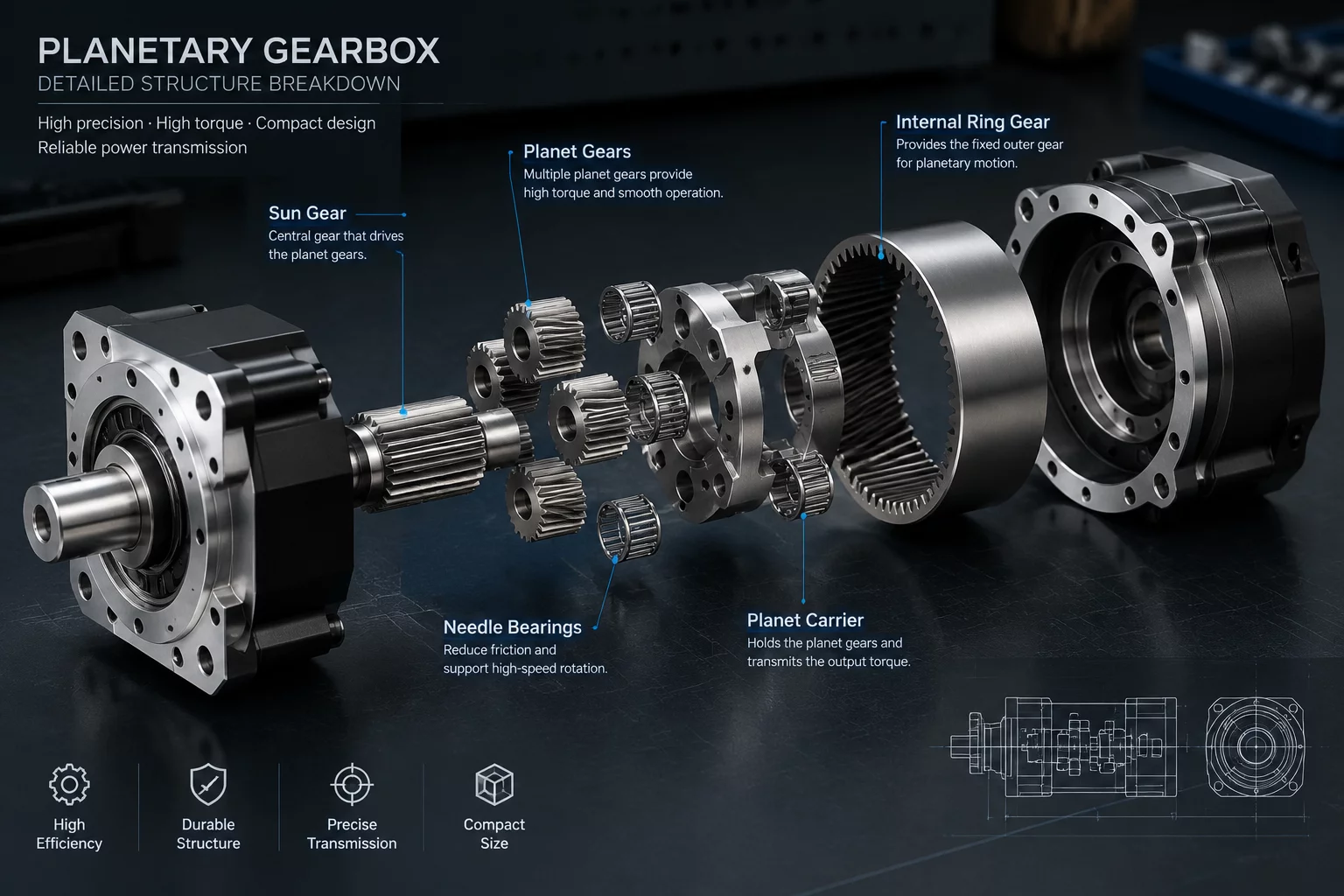
Why Assembly Order Changes the Design
An illustrated example showing how installation sequence reshapes the interface map of an assembly.
02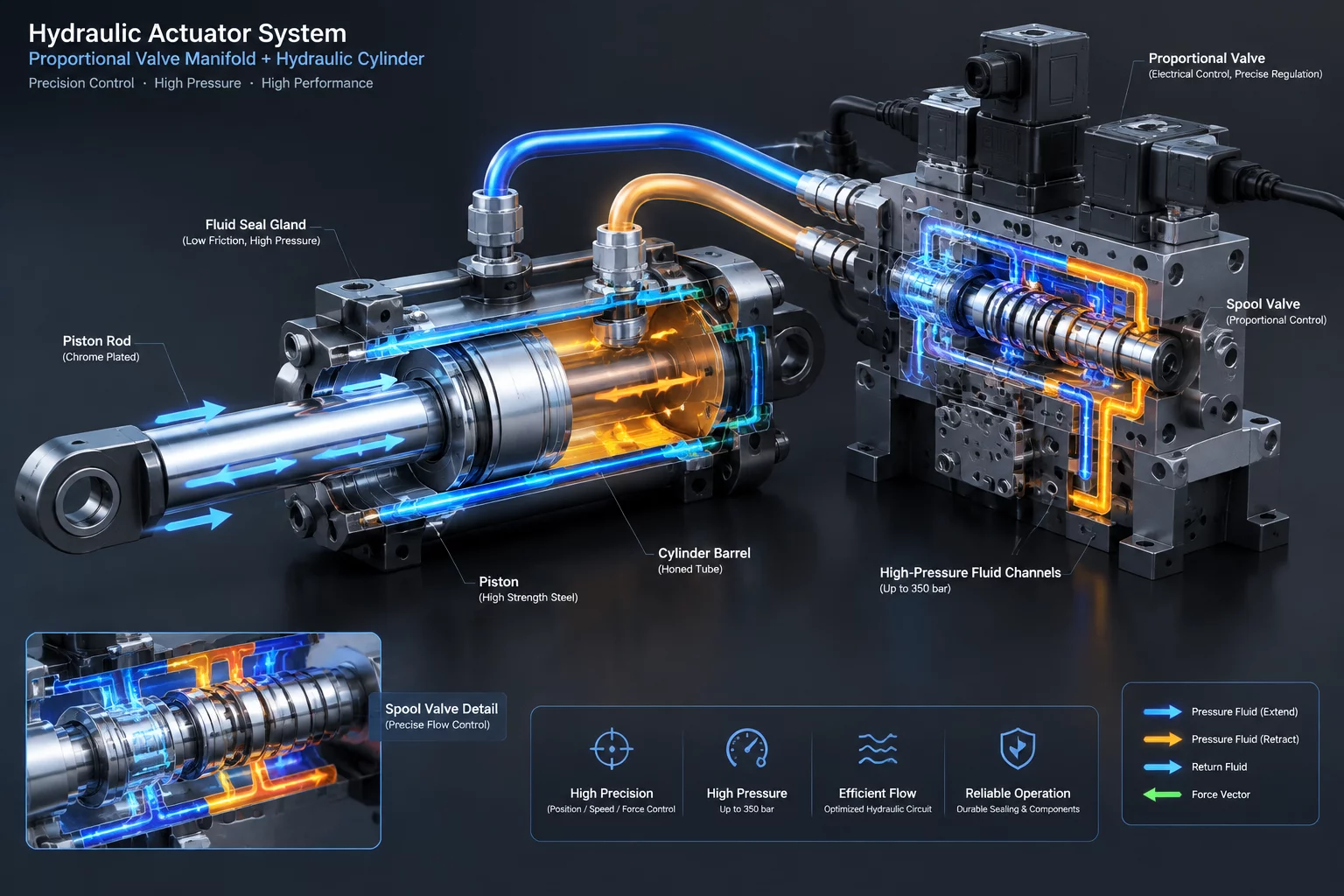
The Fastener That Became Difficult to Reach
A scheme-based case where combining components blocks access to a fastening element.
03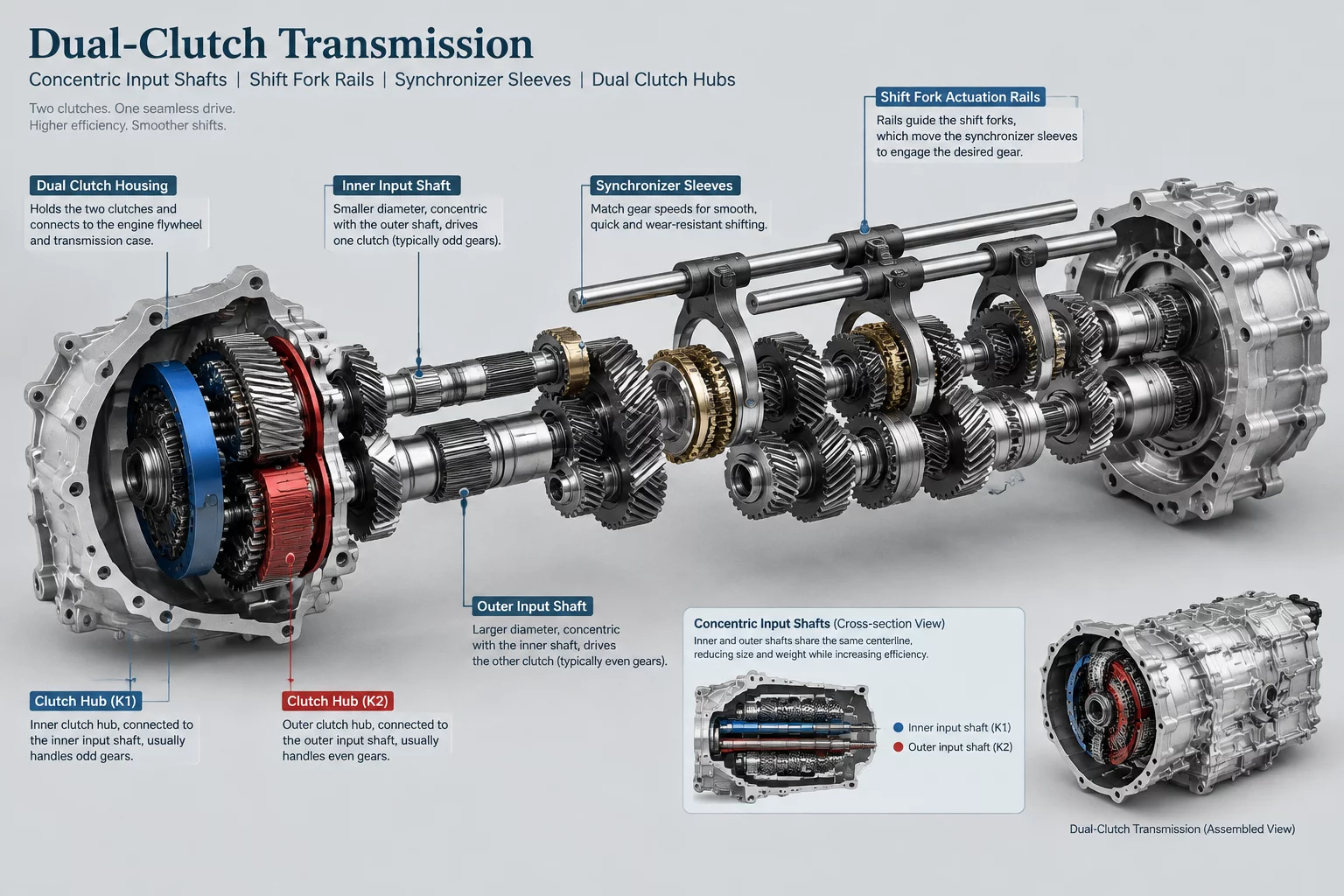
Understanding Moving-Part Relationships
A study of how moving elements interact, constrain, and depend on each other during operation.
04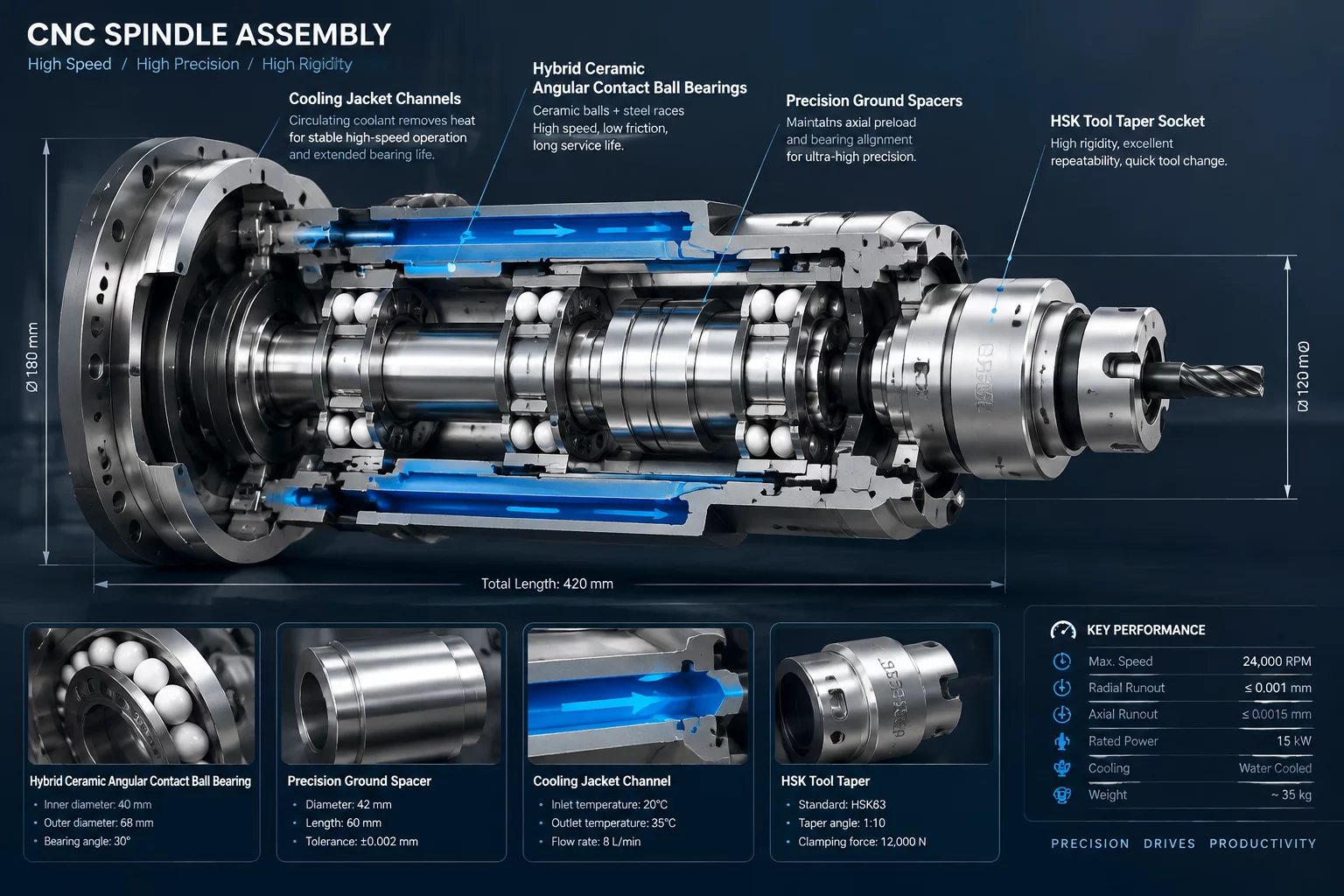
One Connection, Three Design Alternatives
A comparative map of three joint variants and how each option changes component relationships.
05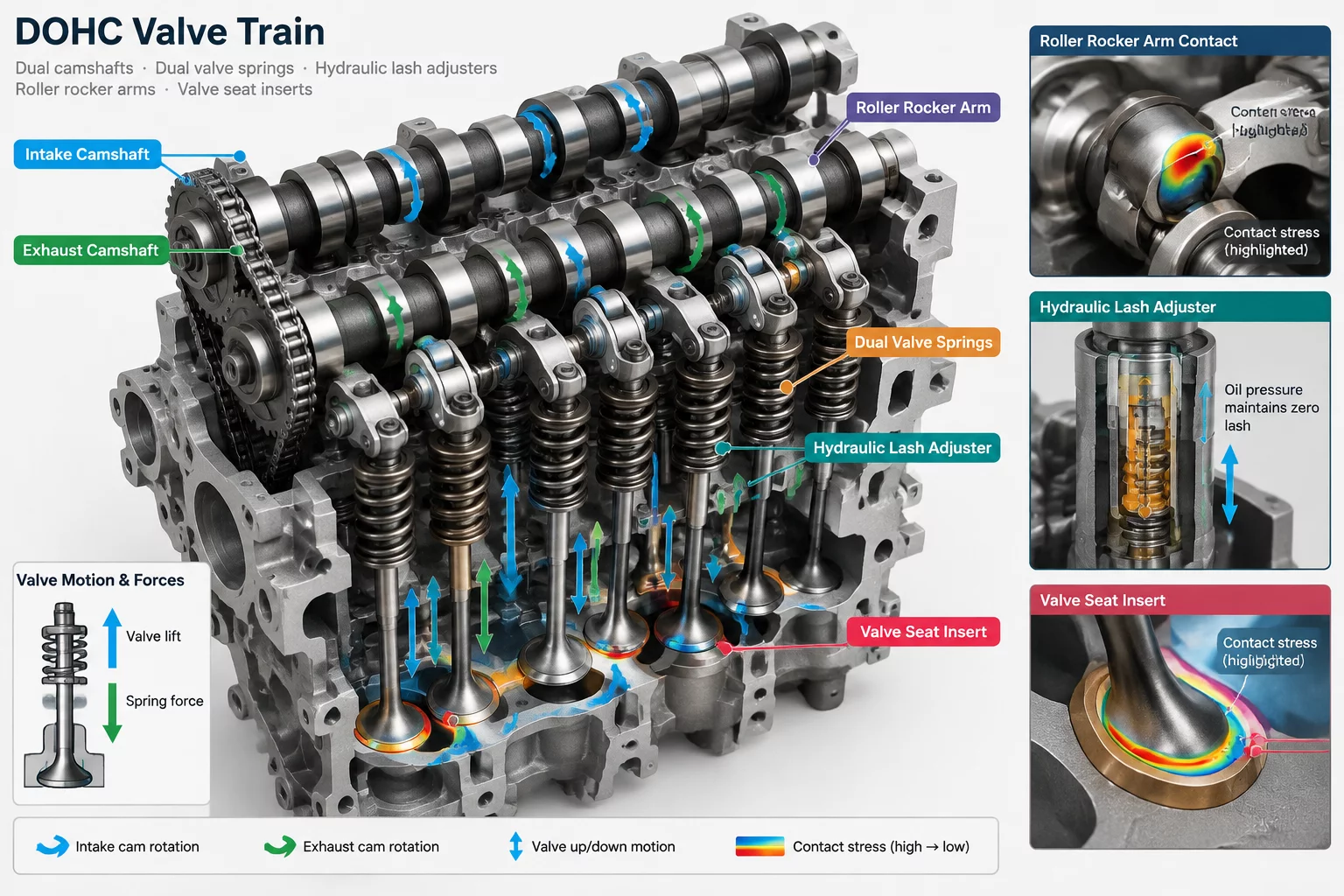
A Component That Fits but Cannot Be Installed
A practical example where correct part geometry still fails because the assembly path is blocked.
06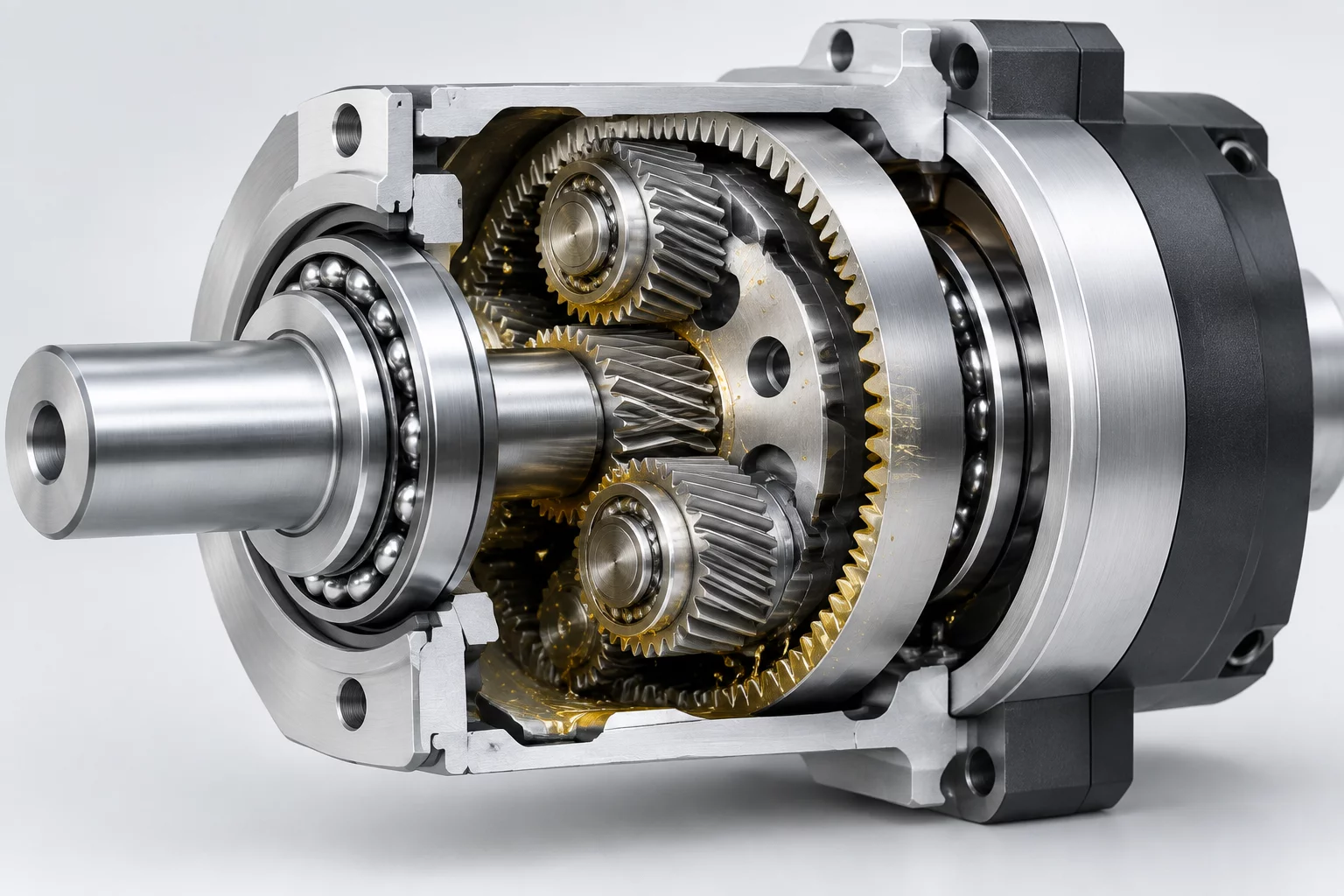
Physical Access Around Compact Assemblies
An educational scheme of tool clearance and access zones around tightly packed components.
07
Questions to Ask Before Finalizing an Assembly
A checklist-style example of questions that reveal hidden interface conflicts before a design is finalized.
08
Featured Case
The Fastener That Became Difficult to Reach
The team is developing a compact mechanical enclosure from several components. Each part is considered separately, but after joining the elements, one of the fastening components becomes difficult to access. The material addresses the following questions: Can the assembly sequence be changed? What space is required for access? Which components limit the work area? Will changing one component affect adjacent components? Can the connection location be reconsidered? What requirements need to be confirmed before changing the design? The case study concludes with a comparative diagram of the available design options, outlining the limitations of each. The final engineering decision rests with the designer.
Read the Full CaseUnderstanding Mechanical Interfaces and Assemblies
We provide clear technical documentation and interactive guides detailing how mechanical components fit, wear, and transfer loads within complex physical assemblies.
Interface Maps



480
Published Component Guides
6
Years of Educational Service
1250
Analyzed Assembly Types
85
Institutional Subscriptions
Engineers and Technical Writers Specializing in Mechanical Systems
Our authors hold background in mechanical design, structural testing, and technical documentation, providing verified insights into component dynamics and fitment.