How Material Hardness Discrepancies Accelerate Gear Tooth Wear
- 9315
- 0
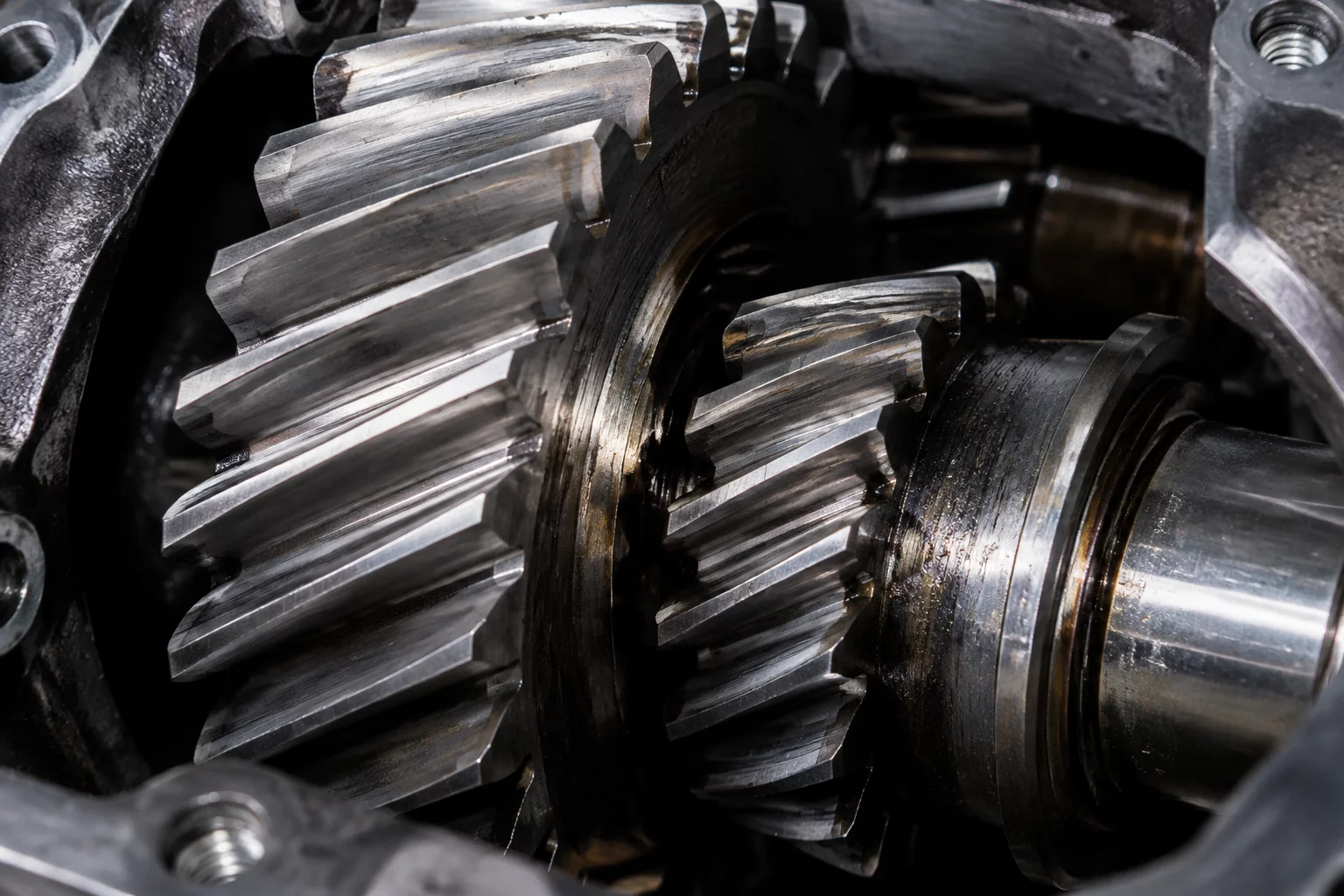
Tribological Interactions in Gear Tooth Meshing
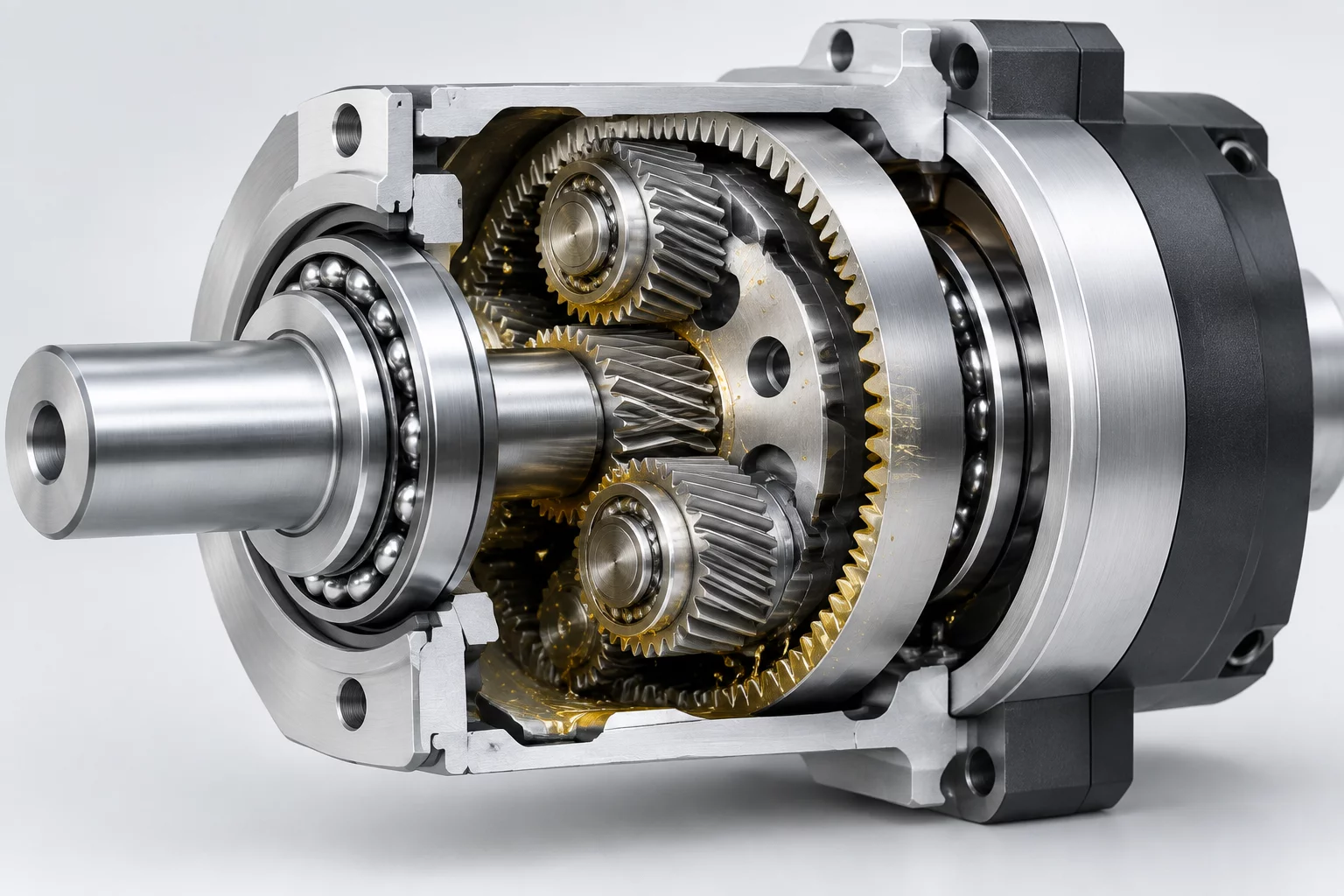
Gear tooth interactions transmit high torque loads across sliding and rolling contact lines. Matching tooth surface hardness profiles ensures balanced wear distribution across driving and driven gears. Unintended hardness discrepancies accelerate material degradation, causing premature tooth failure in industrial speed reducers and power transmissions.
Mechanisms of Accelerated Wear under Hardness Mismatch
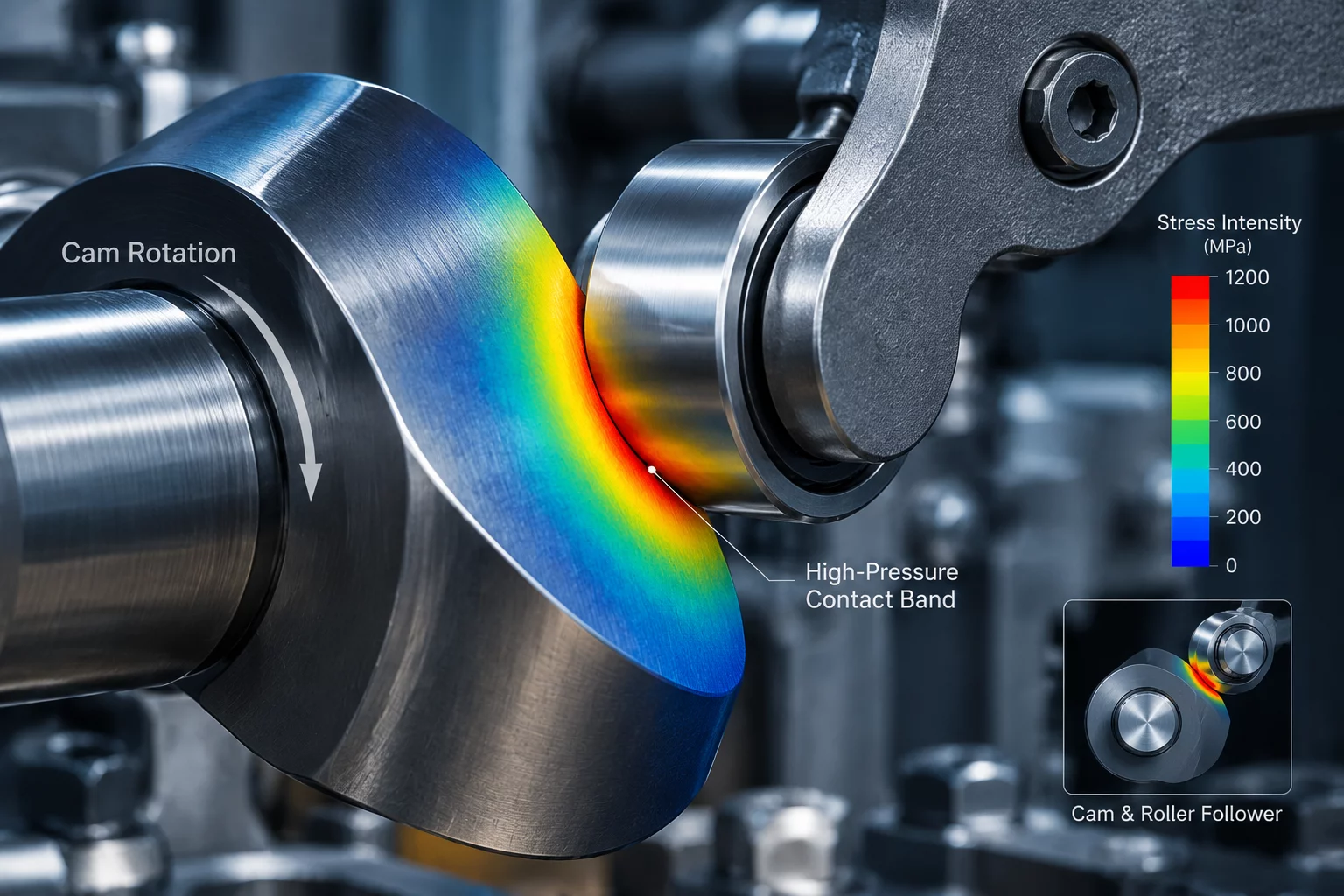
Harder gear surfaces act as abrasive cutters when meshing against softer mating teeth. Microscopic surface asperities on the harder gear gouge channels into the softer material during cyclic engagement. Sliding friction combined with high Hertzian contact pressure shears surface asperities, releasing metallic micro-particles into the lubricant stream.
Micro-Pitting and Scuffing Vulnerabilities
Softer gear teeth experience localized plastic deformation along line contact zones. Plastic flow distorts optimal involute tooth profiles, concentrating contact loads onto smaller surface areas. Concentrated loads breach protective lubricant films, triggering direct metal-to-metal contact and rapid scuffing wear.
- Abrasive gouging: Sharp asperities on hard surfaces carve micro-grooves into softer mating flanks.
- Adhesive transfer: Localized micro-welds form and break continuously, transferring soft metal onto hard teeth.
- Profile distortion: Plastic deformation alters involute geometry, generating high impact forces during meshing.
Optimizing Hardness Ratios for Mechanical Longevity
Design specifications usually dictate a slight hardness discrepancy between pinion and gear components. Pinions experience significantly more load cycles than larger driven gears over equal operating periods. Specifying a pinion surface hardness two to four Rockwell C points higher than the mating gear balances wear rates across both components.
Balancing heat treatment depth and surface hardness ratios extends transmission service life while preventing sudden tooth shear failures.
Structural evaluations highlighted by AssemblyInterface Atlas emphasize surface hardening techniques such as carburizing, nitriding, and induction hardening. Applying controlled case hardening processes yields a hard wear-resistant outer shell over a tough, ductile core capable of absorbing shock loads.